Emaar or Damac Properties in Dubai
Dubai’s thriving real estate market continues to attract investors from every corner of the world, and choosing between industry-leading developers can significantly impact long-term returns. When comparing Emaar or Damac Properties in Dubai, investors often seek a balance between luxury, affordability, capital appreciation, rental yields, and lifestyle offerings.
Trusted Developer
Luxury Living
Prime Locations
High Investment Value
Featured Emaar and DAMAC Projects
Emaar or Damac Properties in Dubai is one of the biggest decisions for anyone planning to invest in Dubai real estate. Both developers have built iconic communities, premium residential projects, and strong investment opportunities that attract local and international buyers. At Zenith Group, we help investors compare Emaar or Damac Properties in Dubai based on their investment goals, budget, rental expectations, and long-term wealth strategy. Our experienced team provides complete support from property selection to post-purchase services, ensuring every investment is backed by expert guidance.
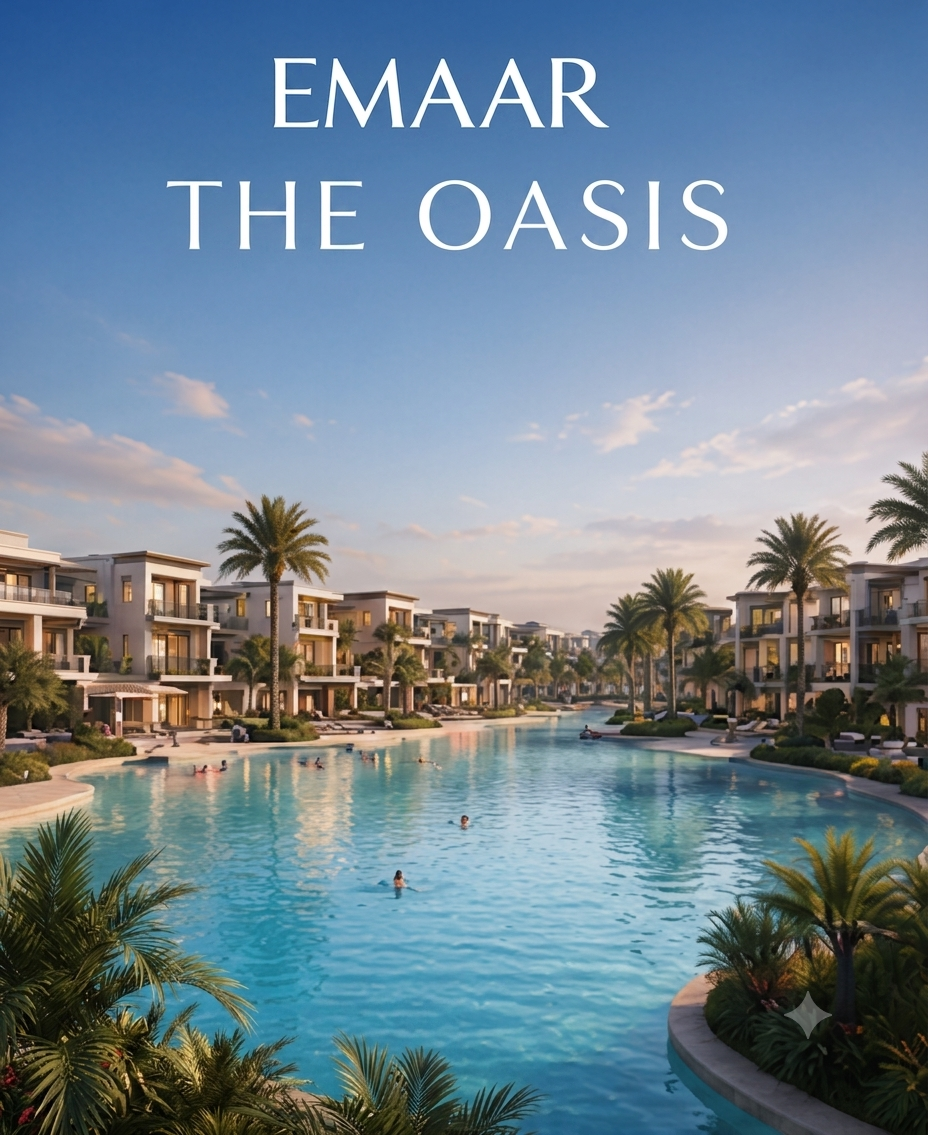
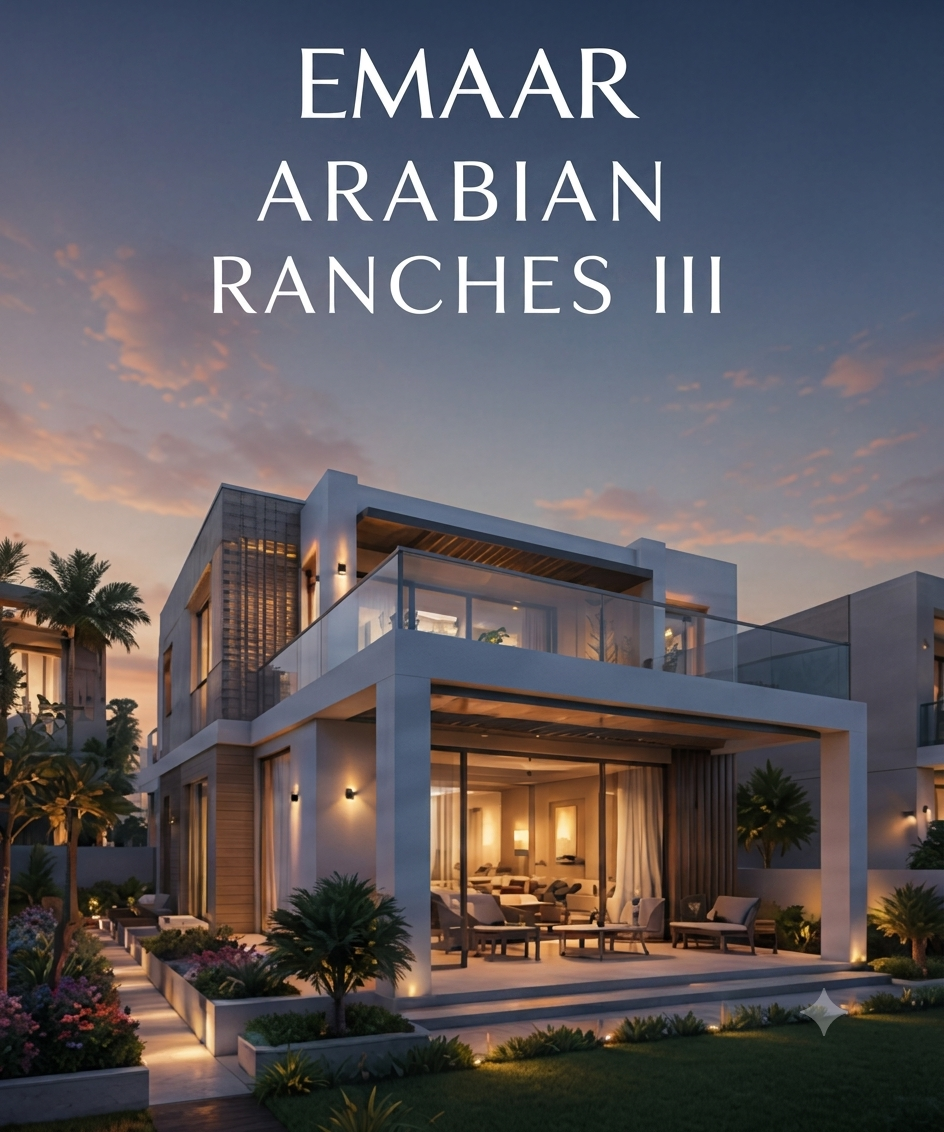
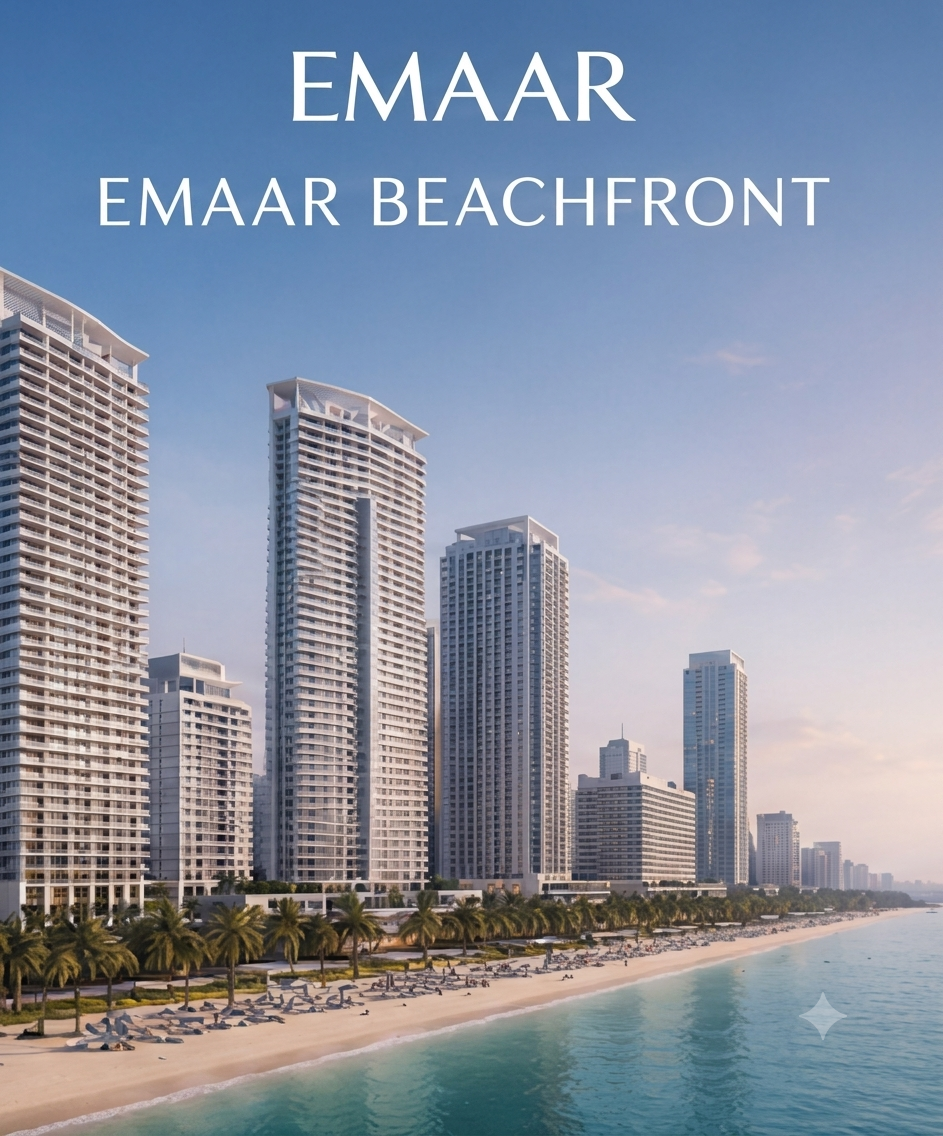
Why Investors Choose Emaar and Damac
20+
Years of Excellence
100+
Projects Delivered
International
Brand Presence
Award-Winning
Developments
Trusted
by Millions
Why Invest with Zenith Groups
At Zenith Group, we go beyond property sales to become your trusted real estate investment partner in Dubai. With years of industry experience and a client-first approach, we help investors identify opportunities that align with their financial goals while ensuring a smooth and transparent buying journey. Investors choosing Emaar or Damac Properties in Dubai through Zenith Group benefit from years of market expertise and personalized consultation.
20+ Years of Experience
Two decades of delivering successful projects in Dubai and beyond.
Full In-House Capabilities
Design, construction, MEP, interiors, fit-out and property management – all under one roof.
50+ Projects Delivered
A proven track record of quality, timely delivery and client satisfaction.
Strong Financial Backbone
Secure, transparent and well-structured financial management.
Quality & Innovation
Commitment to high-end finishes, smart solutions and sustainable design.
End-to-End Solutions
From land acquisition to handover and beyond – we manage it all.
15+
In-House
Companies
1000+
Skilled
Professionals
1000+
Happy
Investors
5M+
SQ.FT Delivered
& Counting
Our Exclusive Offers & Privileges
At Zenith Group, we provide exclusive real estate services designed to make your investment journey simple, transparent, and rewarding. Our team helps investors explore the right opportunities, including premium developments from leading developers such as Emaar or Damac Properties in Dubai, while ensuring a smooth and reliable buying experience.
Flexible Ownership
Escrow • Transparency • Legal Protection
High ROI Potential
Projects designed for strong returns. ROI depends on market inflation.
Great Payment Plans
Investor-friendly plans with extended post-handover options.
Transparent Process
Clear documentation, regular updates and complete transparency at every step.
Premium Locations
Carefully selected locations with high demand and growth potential.
After-Sales Support
Dedicated support for property management, leasing and resale assistance.
Compare EMAAR or DAMAC Properties for Smarter Property Investments
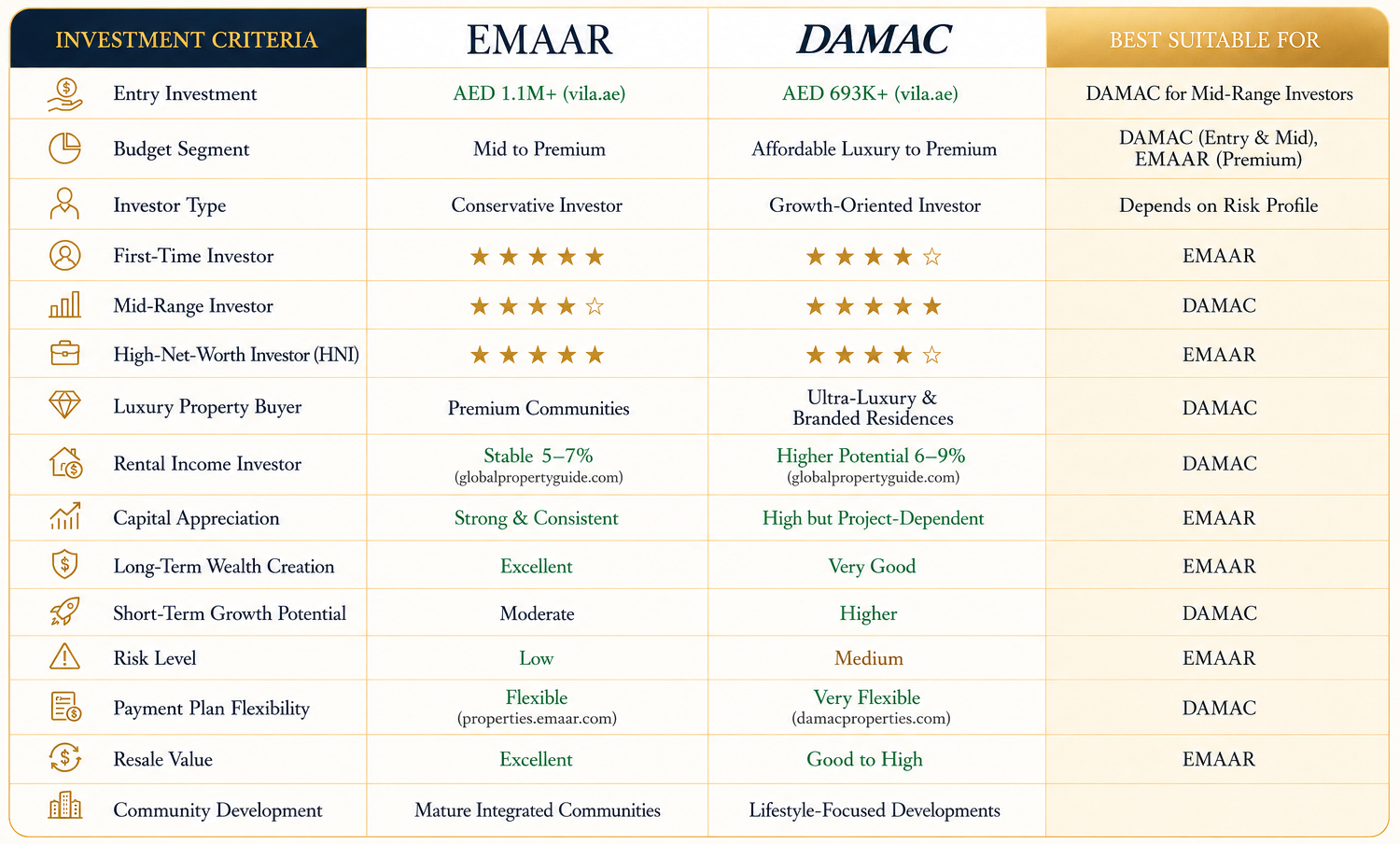
Right property developer is just as important as selecting the right investment. Compare EMAAR or DAMAC Properties in Dubaiacross budget, rental yield, capital appreciation, investment risk, and long-term growth potential. Whether you’re a first-time buyer, mid-range investor, or high-net-worth individual, this comparison helps you identify the developer that best aligns with your financial goals and investment strategy. Make informed decisions with a clear, investor-focused overview of Dubai’s two leading real estate
Smart Investment Opportunities with Zenith Group
At Zenith Group, we offer diverse investment opportunities across Dubai’s premium real estate market, including exclusive opportunities from renowned developers such as Emaar or Damac Properties in Dubai. Our experts help investors explore a wide range of residential options, from luxury apartments and waterfront residences to villas and high-growth investment properties.
Off-Plan Sales
Buy directly from leading developers like Damac at attractive prices.
ROI depends on market inflation.
Pool Investment
Invest from AED 500,000 in selected projects and share in the profits.
60%+ Potential*
Partnership Investment
Partner with Zenith in high-potential projects with higher returns.
80%+ Potential*
Sub-Development
Develop your land with Zenith's expertise and infrastructure.
60%+ Potential*
Joint Venture
Collaborate with Zenith on land projects in Dubai.
50%+ Potential*
*Potential returns are project-specific and subject to market conditions and project performance.
Two Powerful Names. Unlimited Investment Potential.
With Zenith Group, explore premium property opportunities in Emaar or Damac Properties backed by market expertise, trusted advice, and dedicated support. Our team helps investors make confident decisions by providing personalized guidance and complete assistance throughout their Dubai real estate investment journey.
Secure Investment
Escrow • Transparency • Legal Protection
Full In-House Development
Multiple Investment Models
Proven Track Record & Expertise
Reliable Team & Support
Find the Property That Works for You
Share your requirements with us, and our team will help you explore suitable property opportunities across Dubai. Let us know your preferred location, property type, budget, and payment preferences, and we’ll connect you with relevant properties, current offers, flexible payment plans, and project options that align with your needs.
What Our Investors Say About Their Investment Experience
"As an overseas investor, I needed a trusted partner to guide me through buying Emaar or Damac Properties. Zenith Group handled everything from project selection to paperwork and post-purchase support. Their professionalism and market knowledge gave me complete confidence in my investment."
Michael
Canada Investor
"My experience with Zenith Group was outstanding from the first consultation to property handover. They patiently answered all my questions about Emaar or Damac Properties and recommended an investment that perfectly matched my long-term financial plans. I truly appreciated their honest advice and continuous support."
Priya
India Investor
"I wanted a property with strong rental returns but wasn't sure whether to invest in Emaar or Damac Properties. The Zenith Group team compared multiple projects, explained the expected ROI, and helped me secure an excellent deal. Their service exceeded my expectations."
Ahmed Khan
UAE Investor
Frequently Asked Questions
Which developer is better for long-term investment, Emaar or DAMAC?
Emaar is generally considered the better choice for long-term capital appreciation and stability. As a government-linked master developer, Emaar’s projects in prime locations like Downtown Dubai and Dubai Hills Estate tend to maintain higher resale value and consistent rental demand.
Does DAMAC offer better payment plans than Emaar?
Yes, DAMAC is known for offering more flexible and attractive payment plans (such as 70/30 or 75/25 structures) compared to Emaar’s more rigid standard plans. This makes DAMAC a popular choice for first-time investors or those looking for lower entry barriers.
Which Emaar or Damac developer has a better track record for on-time delivery?
While both developers are reliable, Emaar historically has a slightly higher on-time delivery rate (approximately 90%) compared to DAMAC (approximately 80%). Both are considered top-tier in the UAE market for meeting construction milestones.
Are DAMAC properties more affordable than Emaar?
Generally, yes. DAMAC often provides luxury-themed living at more accessible price points per square foot, whereas Emaar’s properties command a premium due to their prime locations, infrastructure, and brand reputation.
Which communities are popular in Emaar or Damac Properties?
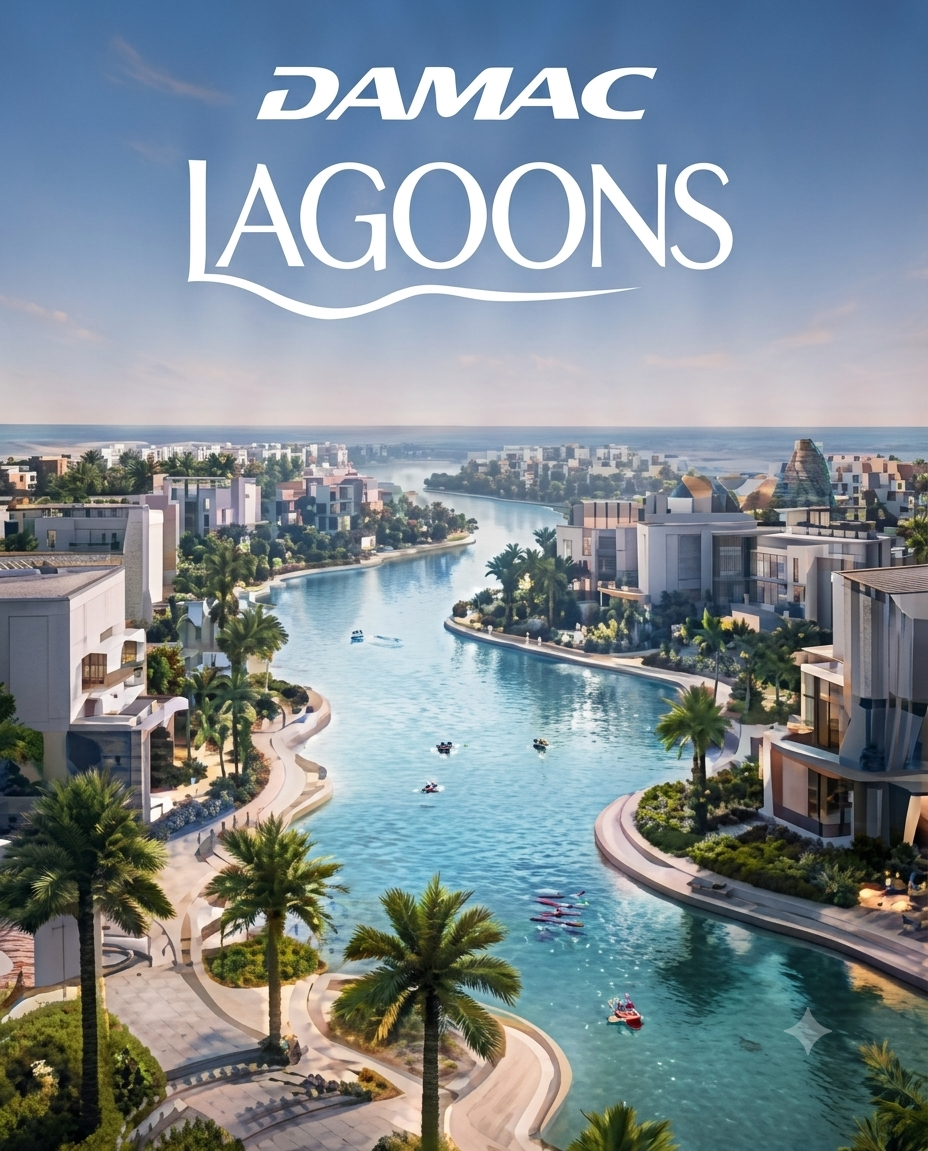
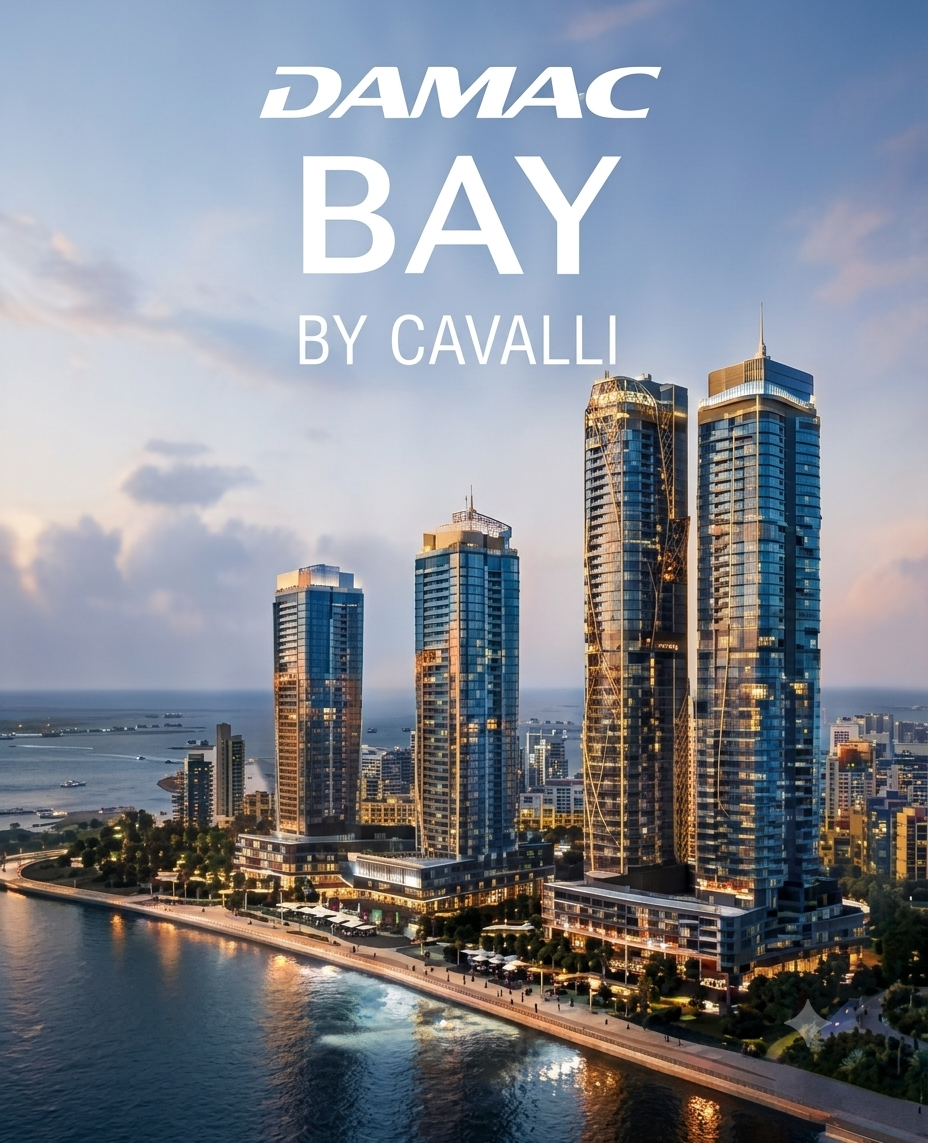
Emaar or Damac Properties feature popular communities including Downtown Dubai, Dubai Hills Estate, Dubai Marina, DAMAC Lagoons, DAMAC Hills, Business Bay, and Dubai Harbour.
Is investing in Emaar or Damac Properties safe?
Yes. Emaar or Damac Properties are among Dubai’s most recognized developers with strong track records of delivering premium residential and commercial developments.
How do I choose between EMAAR or DAMAC?
Compare factors such as your investment budget, expected rental income, capital appreciation goals, payment plan preferences, risk tolerance, and intended holding period. Selecting the right developer should align with your overall investment strategy rather than focusing on a single factor.
Which developer offers better rental income: EMAAR or DAMAC?
Both developers offer attractive rental opportunities. EMAAR properties typically provide stable rental income, while selected DAMAC developments may achieve higher rental yields depending on the location, property type, and market conditions.
Is EMAAR or DAMAC better for first-time property investors?
EMAAR is often considered a suitable choice for first-time investors because of its lower perceived investment risk, strong resale demand, and mature communities. DAMAC can also be attractive for buyers looking for flexible payment plans and luxury-focused projects.
Which Developer Is Better for Mid-Range Investors: EMAAR or DAMAC?
Both EMAAR and DAMAC offer attractive investment opportunities, but DAMAC is often considered more suitable for many mid-range investors due to its wider selection of luxury properties at relatively lower entry prices and flexible payment plans. EMAAR, on the other hand, is a strong choice for investors who prioritize long-term capital appreciation, established communities, and lower investment risk. The better option ultimately depends on your budget, investment strategy, and financial goals.

Do you have more questions?
We’ve got more answers waiting for you! If your question didn’t make the list, don’t hesitate to reach

Why Invest in Emaar or Damac Properties in Dubai?
Dubai has become one of the world’s most attractive destinations for real estate investment because of its strong economy, tax-free environment, luxury lifestyle, and growing global demand for premium properties. Investors looking at Emaar or Damac Properties often seek developments that offer high rental returns, long-term appreciation, and world-class living experiences. Both developers have built a strong reputation in Dubai’s property market by delivering exceptional residential communities, luxury apartments, waterfront homes, and modern lifestyle destinations that attract buyers and tenants from around the world.
When comparing Emaar or Damac Properties, investors benefit from access to premium locations, advanced infrastructure, modern architecture, and communities designed to support comfortable urban living. Dubai’s continuous population growth and increasing tourism sector also contribute to rising demand for quality real estate, making properties from both developers highly valuable for investment purposes. Whether buyers are interested in luxury residences, family-friendly communities, or high-return rental opportunities, both Emaar and Damac provide options that cater to different investment goals and budgets.
Both developers are known for creating large-scale projects that combine residential, commercial, entertainment, and leisure facilities within integrated master communities. This approach not only increases property value but also enhances the overall lifestyle experience for residents and investors. Choosing between Emaar and Damac ultimately depends on investment preferences, expected returns, and lifestyle priorities, but both continue to play a major role in shaping Dubai’s globally recognized real estate market.
At Zenith Group, investors can explore suitable Emaar or Damac Properties options with expert guidance, exclusive opportunities, and complete support throughout their property investment journey.
Quick Links
Free Consultation
Get in touch with us to get the best and secure suggestion for investment.

Dubai Property Development is a Dubai-focused real estate platform showcasing property development projects, investment opportunities and real estate collaborations.
Other Related Services
Zenith Rent
Zenith Real Estate
Zenith Developer

Zenith Group is a Dubai-based development company established in 2006 with 15 subsidiaries offering end-to-end services like design, construction, and property management.
Zenith Subsidiary Companies